Bait to Plate

Kev Collins

Well known Restauranter and co-owner of Fish D'vine & The Rum Bar in Airlie Beach. When Kev's not working he's out fishing in the amazing food bowl of the Whitsundays and Great Barrier Reef Marine Park or in his tinnie in the estuaries crabbing! His blog imparts wisdom, tales and info on all things fishing and food.

Mack & the Knife


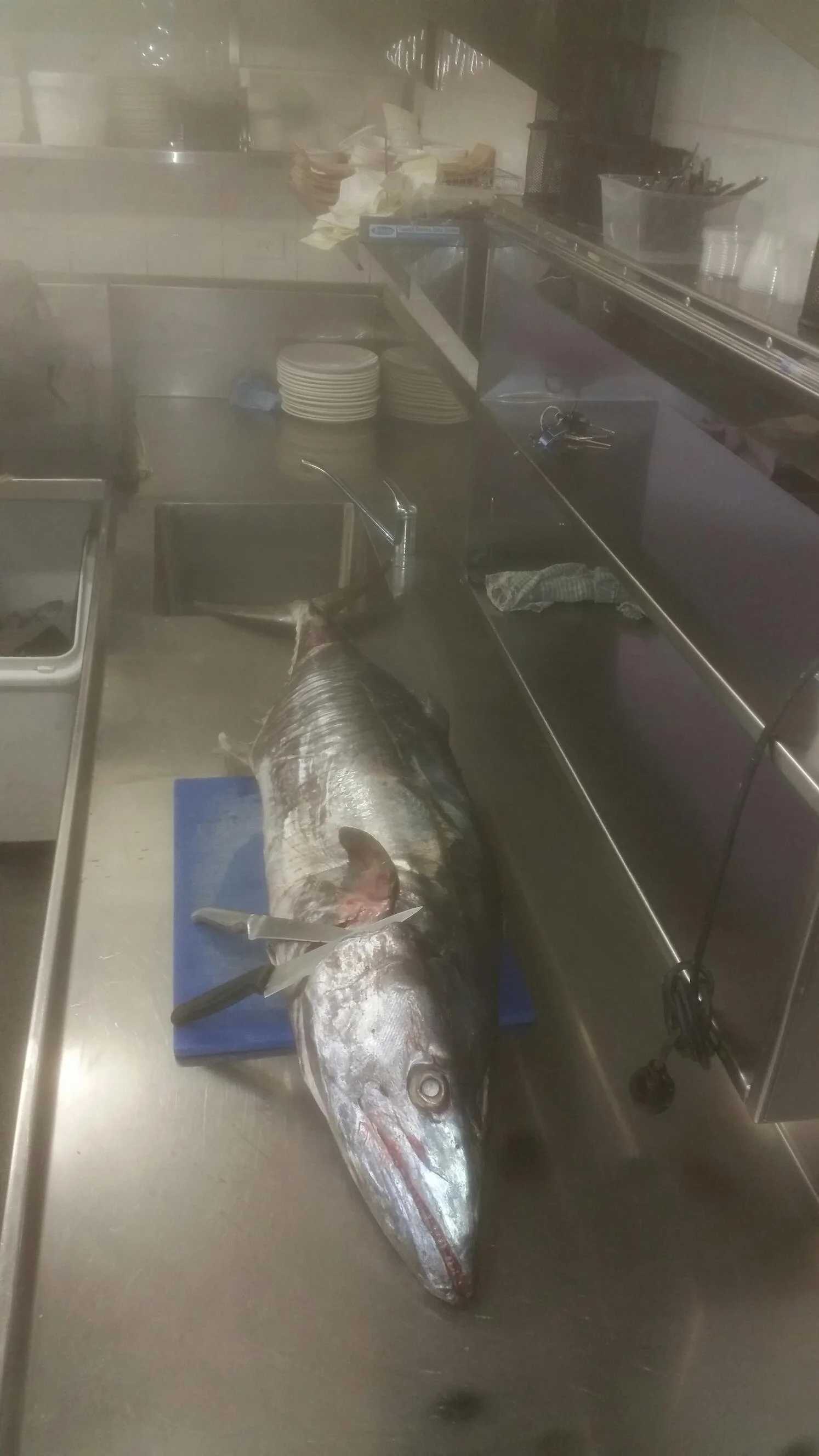
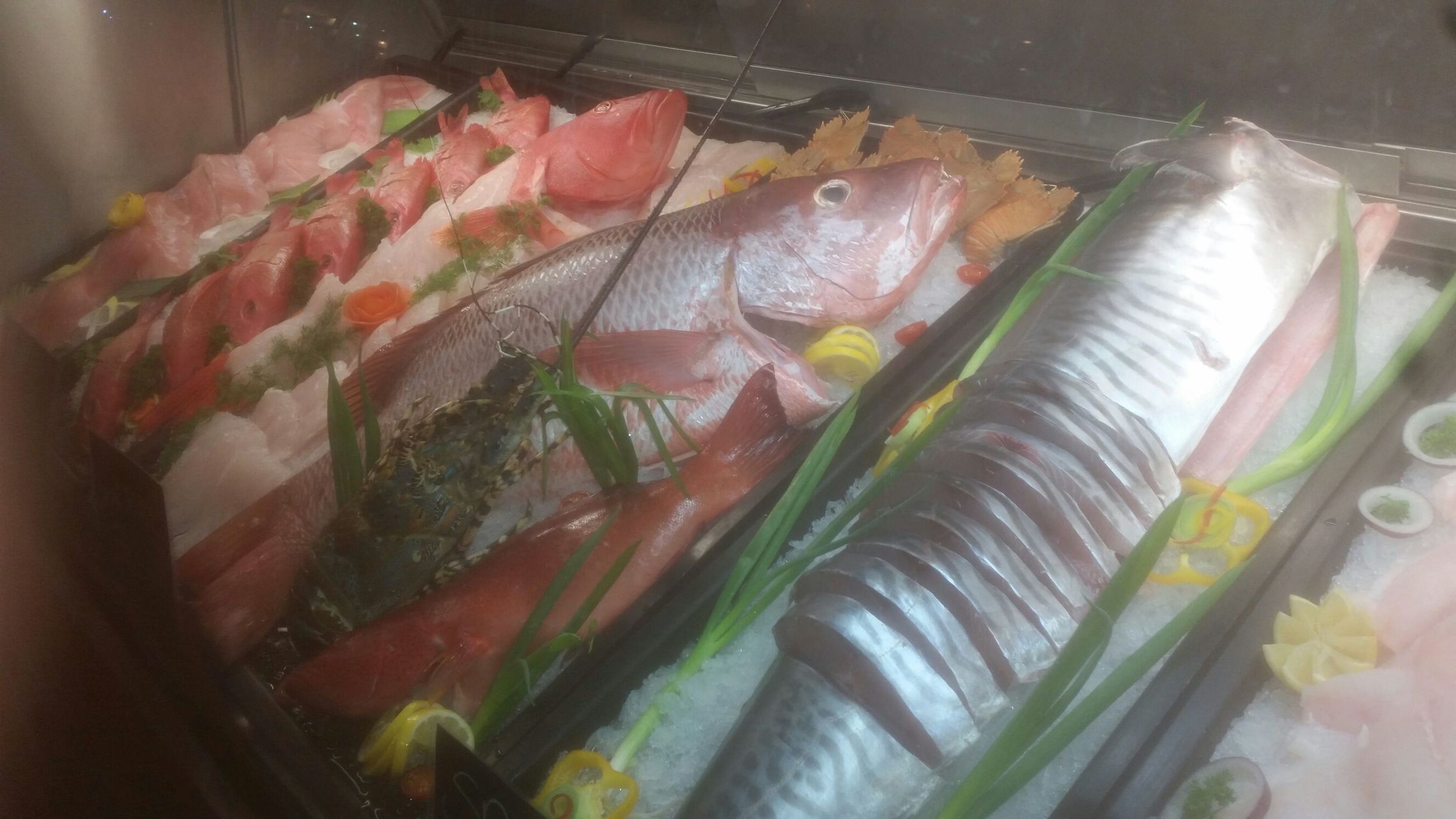
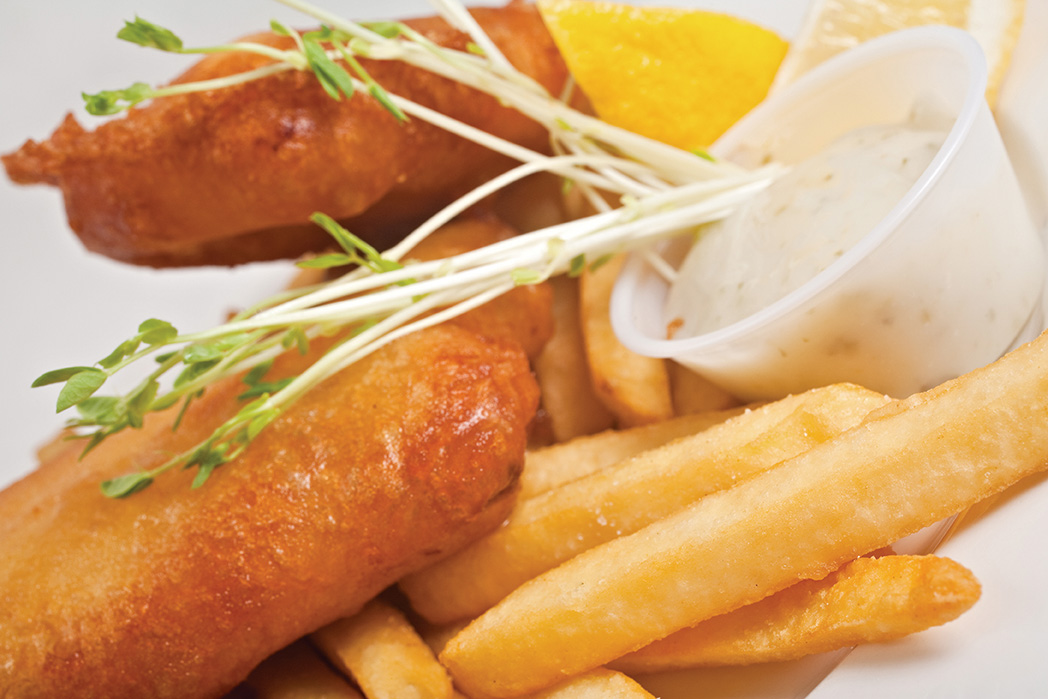
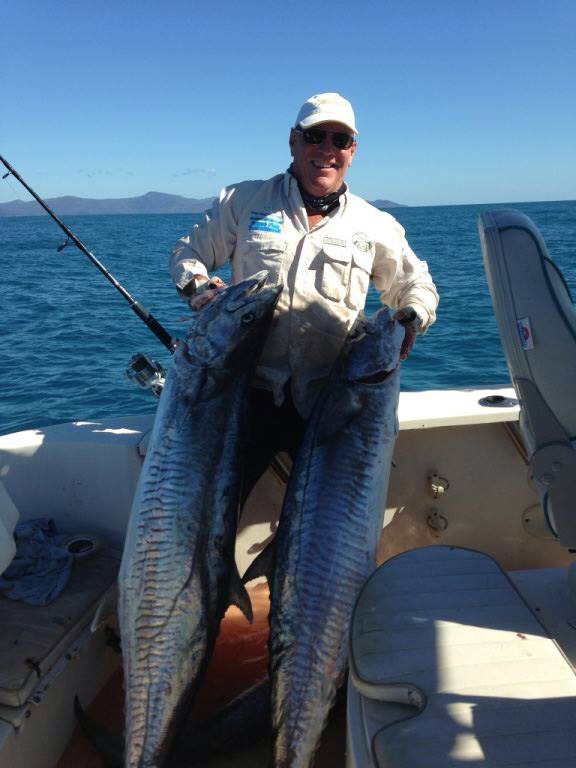
As you can image I get to fillet a LOT of fish. Some are hard work and some are a joy and my all-time favourite to fillet (and one of the best to eat) is a Spanish Mackerel. The number of times I have to explain to guests that, No, it is not imported from Spain, it is a great local fish. There are 2 varieties, a narrow barred Spanish and a broad barred Spanish, more commonly called a Grey Mackerel and they are abundant, particularly during winter and form the basis of North Queensland better “fish and chip” trade.

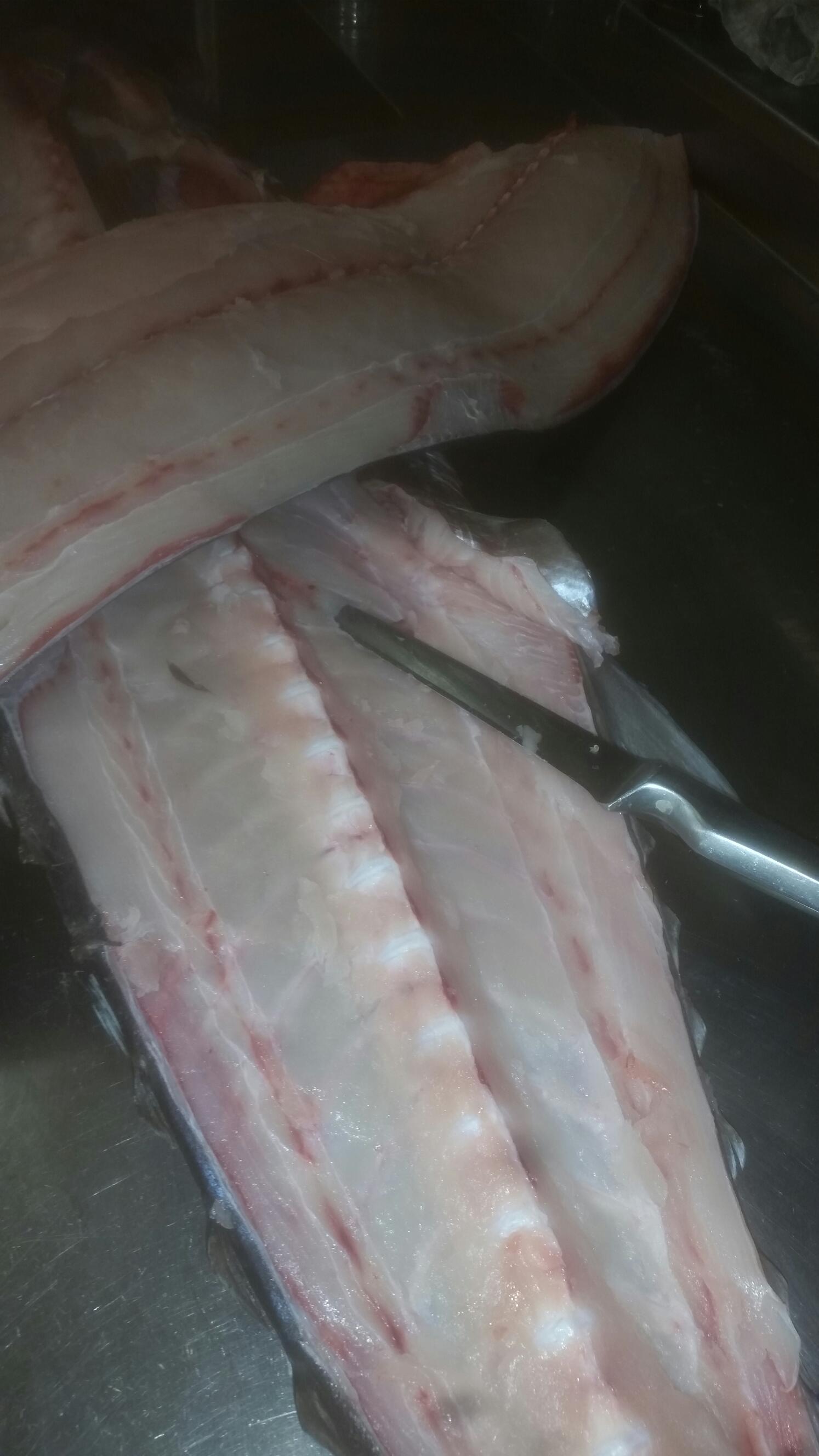
The larger of the 2 species, the narrow barred Spanish mackerel is one the great fish to use in a number of ways. A firm white and finely flaky flesh it is a little drier than some tropical fish which makes it a perfect fish to batter of crumb as a “fish and chip” fish and has been our go to fish since day 1 in the restaurant. The other great way to have this, and a fish dish that would be my “last meal” fish dish is a mackerel steak. Simply cut straight though with just the back bone left and treated like a steak on a char grill. Because this is cut “across the grain” it need to be seared hot and quickly to seal in the moisture and the flavour of fresh mackerel off a char grill is literally North Queensland on a plate.

I have just finished a 2 hour filleting session on Mackerel, Barramundi and some beautiful local long tall tuna and the macks make it all so easy. Fillet the big ones for fish and chips and steak the medium size fish for the menu. Yum.

How are your stress levels?

This photo of a mate, sits in my photo file and is from one of our annual “boy’s get-a-ways” to Weipa on the tip of Cape York. Some of us have been going there since 1988 and at present our current team have had 11 years in a row on the same houseboat. The trip has become less about the fishing and more about the food, the comradery and the de-stressing as every one of us are  operating our own businesses with all that modern life has to throw at us. I look at this photo often when the pressure is building and at present the clock is ticking, In 12 more days I am off the Weipa.

Update. Just back home after a week away..and yes, the stress levels are down but my liver is rejecting me!!

Our beautiful Barramundi and my kids

Every dad should learn to take his kids fishing. One day they will leave home and that day comes sooner than we ever think. I have 3 beautiful children, all of whom love spending time with the “old man” on the water and this is just precious. One of my twin girls visited the other weekend just for 2 days and the one thing she really wanted to do? Dad, can we go fishing? Time was tight as she had to leave after lunch but time and tides aligned and I promised her a barramundi, in time to have it cleaned and cooked for lunch; and I delivered in spades. This was a lean, solid salt water fish, nothing at all like the spongy, grey frozen and fish farmed fillets at the supermarket (Imported and thawed for your convenience…I hate that term). Bright silver, yellow tailed (Tip: farmed Barra and fresh water Barra have black tails) with lean firm flesh and a bright pink tinge (never grey). There is nothing you need to do to trick up salt water wild caught barramundi. Pan fry with a little salt and pepper, crunchy chips and a wedge of lemon. If you want to “flash it up” try topping with some pesto and fried shaved sweet potato. If you ever get the chance, try farmed Barra and wild caught salt water Barra side by side. It is a textural thing. A farmed fish pretty much sits there getting fat and lazy while a wild fish has to chase and hunt and work for every feed

Mud Crab Mania

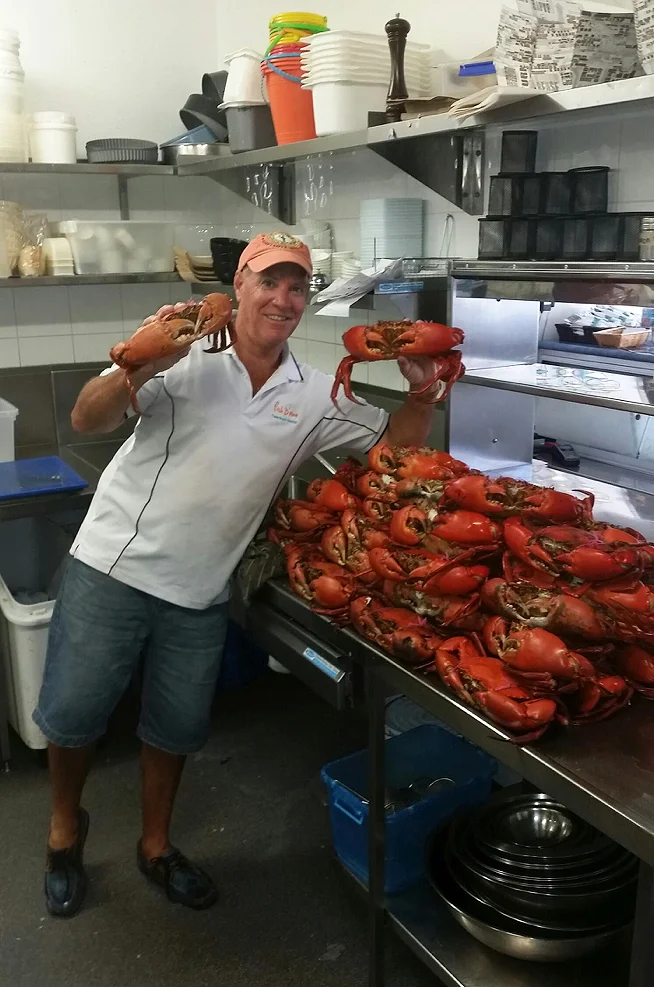
These tasty Queensland icons have become as much a part of the restaurant as all the rums in the bar. Our Chinese guests always order them and they have become our signature seafood. Thai Chilli (my own recipe) , Singapore Black Pepper or just the North Queensland staple of cold with fresh bread and butter and an ice cold beer they really are what we are all about.

Our chilli crab recipe is famous and is really a Thai curry style, rather than the traditional chilli crab of Singapore which is tomato based.

Fry some onion, garlic, ginger and chilli in a hot wok. Add some rogan josh curry paste and a couple of Kaffir Lime leaves, pour in some coconut cream, fish sauce, lime juice, palm sugar and sweet chili sauce and simmer for 20 minutes with some bruised lemon grass stalks.

Toss in some cracked and pre steamed crab, shallot stalks and simmer for just a few minutes before serving over steamed rice. Yumm!

Our local professional crabber recently relocated to Weipa but thankfully the airfreight system is working fine with boxes of beautiful full muddies arriving live every week so supply looks good. Weipa crabs don’t seem to be huge like they are down here from time to time but the whole crabs are packed with flesh and cook up an absolute treat

Lutjanis Biteanatus (Indonesian Snapper) Native or introduced?

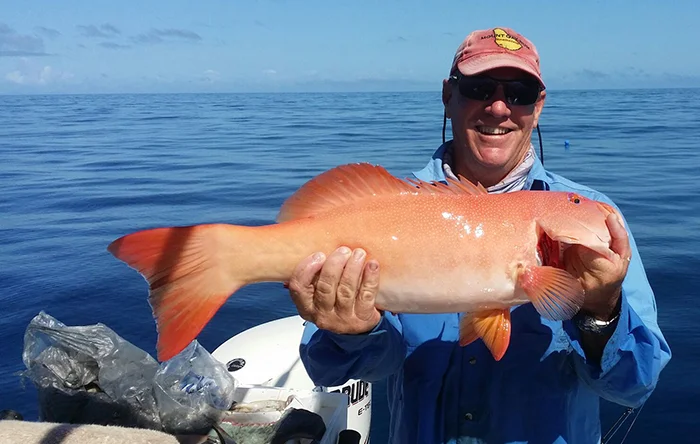
We use a lot of these in the restaurant and they are really a delicious little fish to cook whole. They seem to only grow to about 35 cm and 600 grams and are prolific in many areas of the Whitsundays, but appear to be a newcomer. One theory is that these fish (native to Sumatra) have been carried in within ships ballasts waters and while we just don’t know it may mean this fish is invasive and caught up in regulations which limits the numbers which can be caught by recreational anglers to 5 per trip. It is so prolific it is literally possible to catch 100 in a few hours.

I recently spend time working with a marine biology professor and PHD student from JCU who are trying to get to the bottom of this fishes origin. A very interesting process of sample collection and genetic analysis whereby if the fish all come from a limited gene pool it will mean they are introduced and should be excluded from bag limits. Only one of our suppliers targets these fish so their appeal as a commercial fishery is limited and the bag limits means recreational fishers are giving them a miss as who wants to get out there and all set up only to have to stop fishing 5 minutes later because you have reached the 5 fish bag limit.

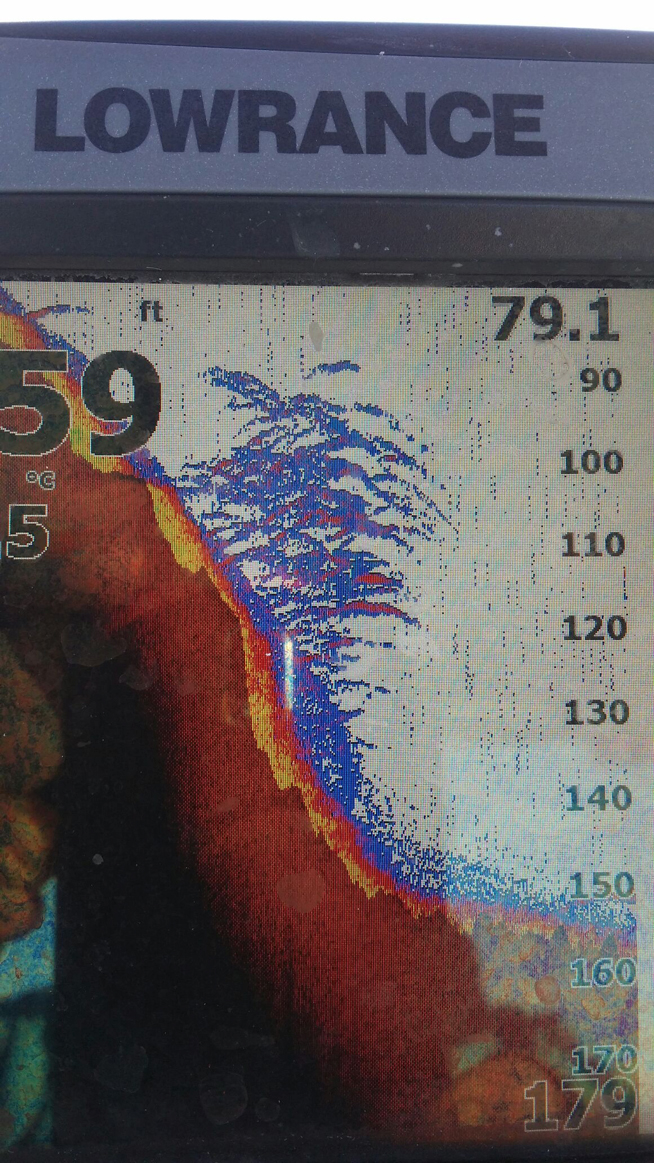
Look anywhere around the molle group, Long Island or dent in 40 to 50 meters. You sounder will show blue “fuzz” along the bottom (in the case of the image incuded the Indos are under mackerel)